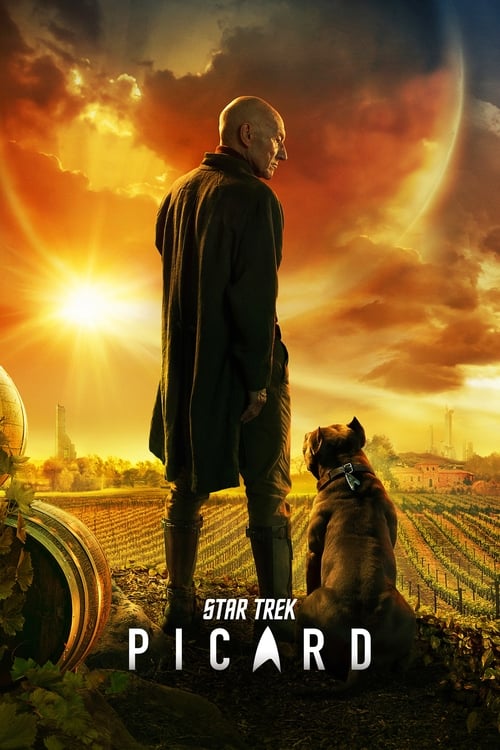
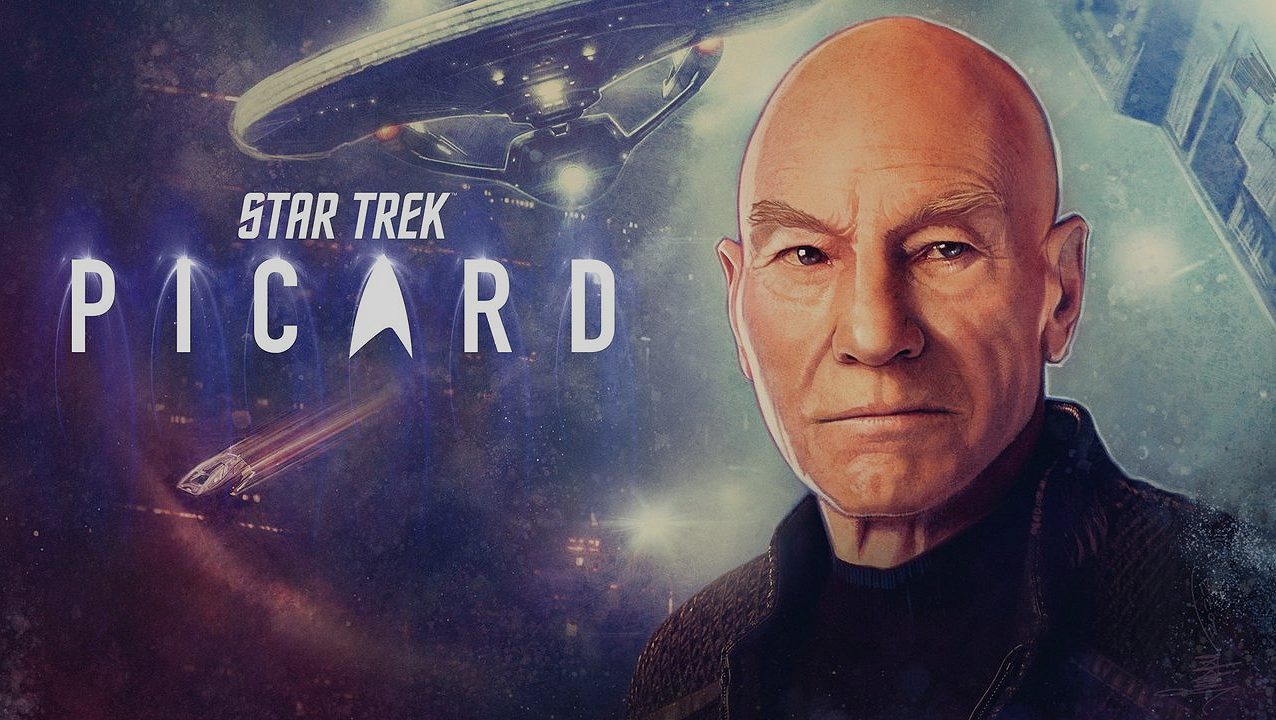
After a long wait from fans, the legendary captain Jean-Luc Picard returns once again in the series Star Trek: Picard, starring Sir Patrick Stewart, who has played this role since The Next Generation era. This series is not just a return of an old character but a deep, painful, and humanistic storytelling that differs from the Star Trek we know.
Plot Summary (No Spoilers for the Ending)
The story begins 20 years after the events of Star Trek: Nemesis. Retired Picard lives at his family vineyard, but he is drawn back into a mission when a mysterious young woman named Dahj (played by Isa Briones) appears. She has a connection to Picard's past and is the key to unraveling a threat to the Federation. Despite initial hesitation, Picard assembles a new crew consisting of Raffi (Michelle Hurd), a former Starfleet officer struggling with addiction; Dr. Agnes Jurati (Alison Pill), a brilliant scientist; Cristobal Rios (Santiago Cabrera), a private ship captain; and Elnor (Evan Evagora), a young Romulan warrior, to protect Dahj from powerful enemies, especially the radical Romulan group Zhat Vash. The series unfolds slowly but intensely, filled with emotional twists and secrets revealed bit by bit.
Acting and Characters
The heart of this series is the return of Patrick Stewart, who brilliantly portrays an aging Picard, vulnerable and burdened by past wounds. He is no longer the confident captain but an old man confronting his mistakes and losses. The supporting cast is equally outstanding, especially Alison Pill as Dr. Jurati, adding humor and warmth, and Michelle Hurd as Raffi, deeply conveying the pain of abandonment. Additionally, new characters like Elnor bring freshness and interest to the team.
Direction, Visuals, and Music
The direction by Jonathan Frakes (director and actor from TNG) and the team is clever, using muted tones and realistic lighting to reflect the seriousness of the content. CGI of spaceships and action scenes are well done but not over-the-top. The music score by Jeff Russo and Frederick Wiedmann features melancholic and powerful melodies that enhance the story's emotions, especially the main theme, which carries a somber yet hopeful tone.
Editorial Analysis
Star Trek: Picard is no longer the Star Trek fans are used to. It is darker, more serious, and focuses on questioning identity, mistakes, and redemption. The series dares to tell a story that challenges viewers' perspectives, especially regarding the politics of the Federation, once seen as perfect but now revealed to have hidden shadows. The world-building is excellent, particularly the design of the ship La Sirena, which looks worn but charming. The pacing in the first season is quite slow and character-driven, making some episodes feel drawn out, but it is necessary to set up a powerful finale. The main drawbacks are the series' heavy reliance on prior knowledge of TNG, which may leave newcomers lost, and the complex Zhat Vash plot that can be confusing. However, for die-hard fans, this is a worthwhile and emotional return.
Verdict
Star Trek: Picard is a must-watch for die-hard fans of Jean-Luc Picard. It offers a profound and emotional experience. Despite its slow pace and need for familiarity with the Star Trek universe, Patrick Stewart's return and challenging script make it highly worthwhile. Suitable for those who enjoy sci-fi that emphasizes philosophy and character development over action.
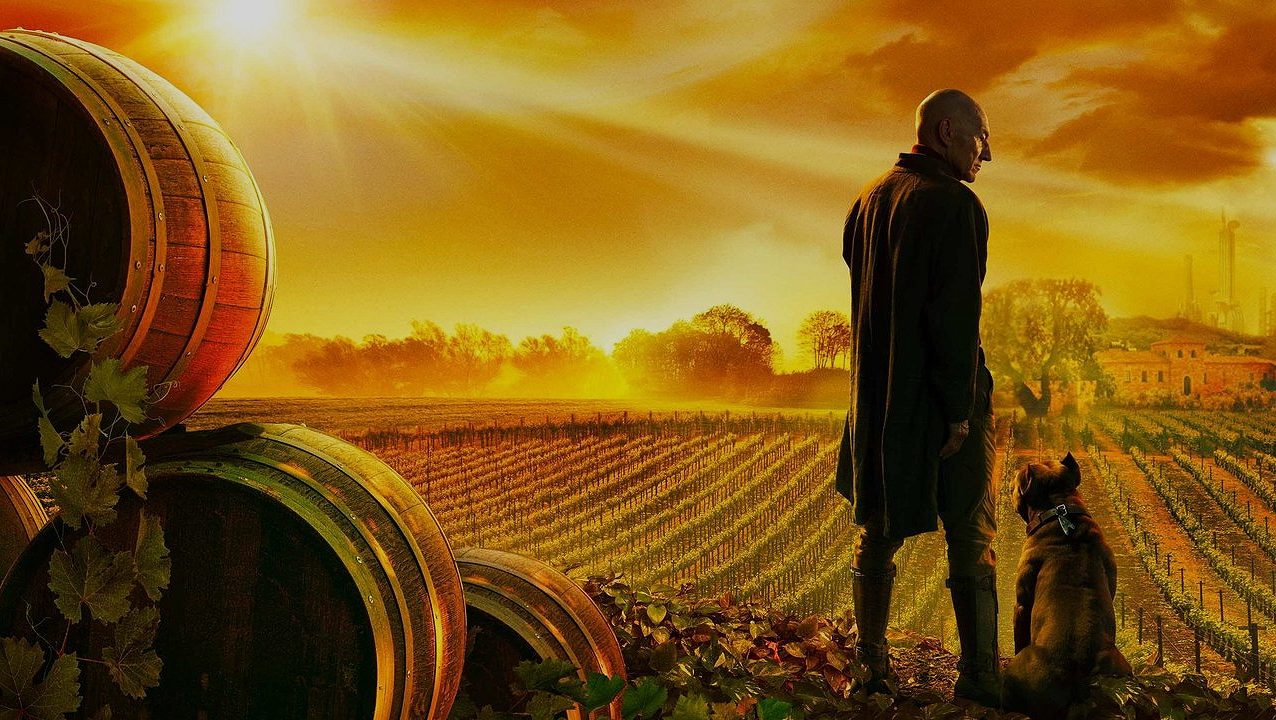
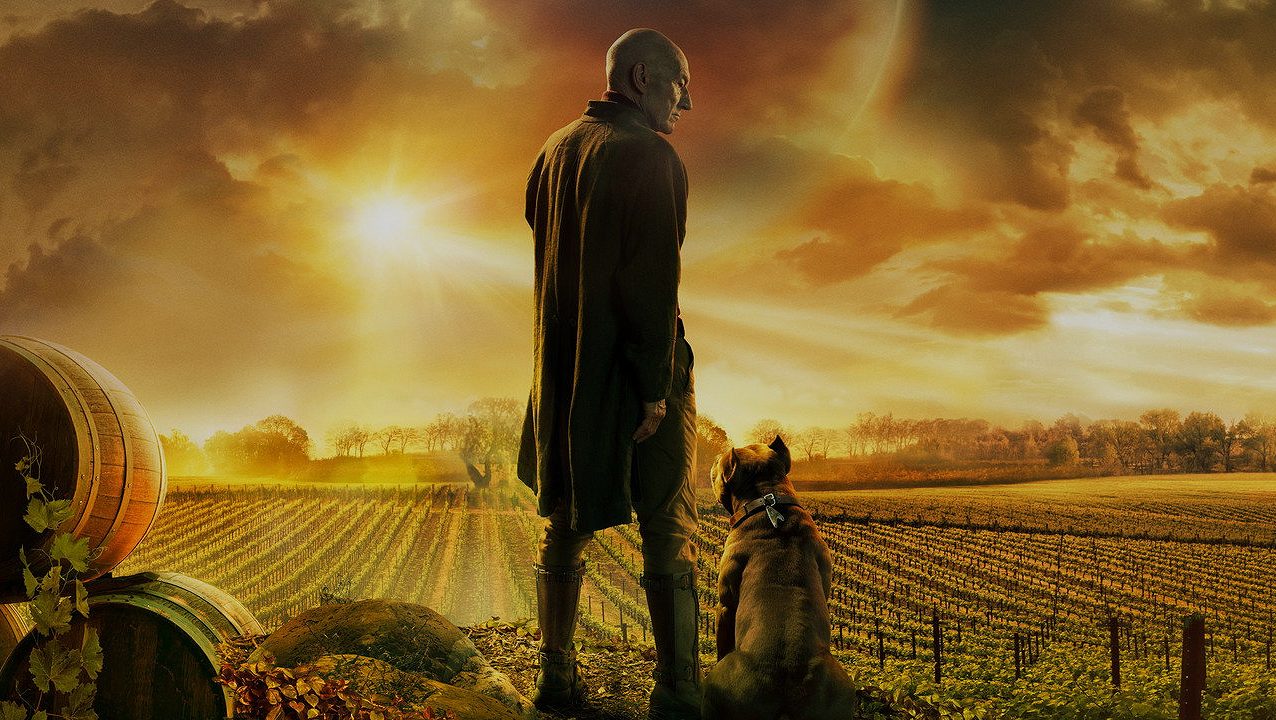
Screenshots
👍 Pros
- +Patrick Stewart's outstanding and deep performance
- +Intense storyline full of emotion and philosophy
- +Interesting and multi-dimensional new characters
- +Beautiful music score and visuals
- +Clever connections to Star Trek history
👎 Cons
- −Slow pacing in some parts, especially the first half of the season
- −Requires prior knowledge of The Next Generation to fully understand and appreciate
- −Complex Zhat Vash plot may be confusing
Top Cast





FAQ
It is recommended to watch Star Trek: The Next Generation and related movies, especially Nemesis, to understand Picard's backstory. Watching it standalone is possible but less rewarding.
There are 3 seasons, totaling 30 episodes, with season 3 being the final one.
For true Star Trek fans, it is not boring. But for general audiences who prefer action, it may feel slow because the series focuses on storytelling and character development.
Patrick Stewart performs himself in almost every scene, even though he is over 80, he still gives his all.
Picard has a darker and more serious tone, focusing on psychological wounds and Federation politics, rather than traditional space adventures.