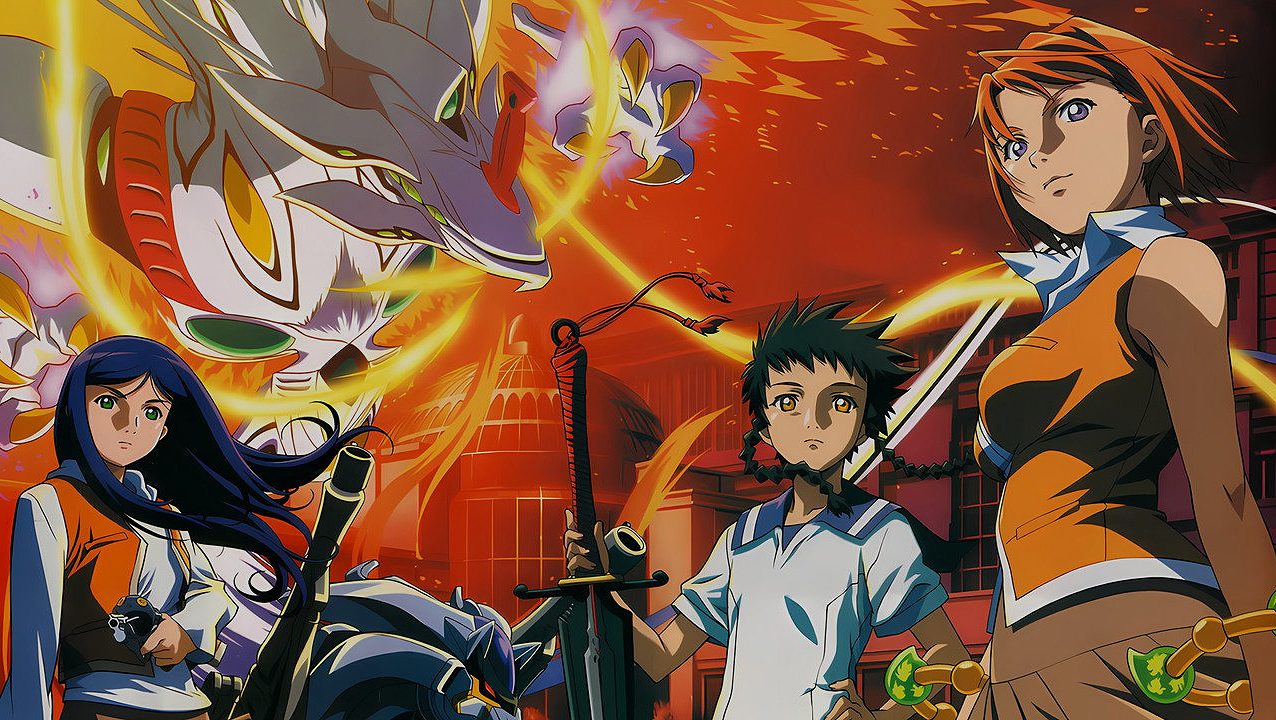
In the world of magical girl anime that often emphasizes brightness and the power of friendship, Mai-HiME (舞-HiME) instead presents the dark side of power and love that must be exchanged for loss. This series, aired in 2004, is still talked about as a work that dared to challenge genre conventions by asking, 'Would you sacrifice your most beloved person to protect the world?'—an issue that makes viewers think until the end.
Story Summary (No Spoilers for the Ending)
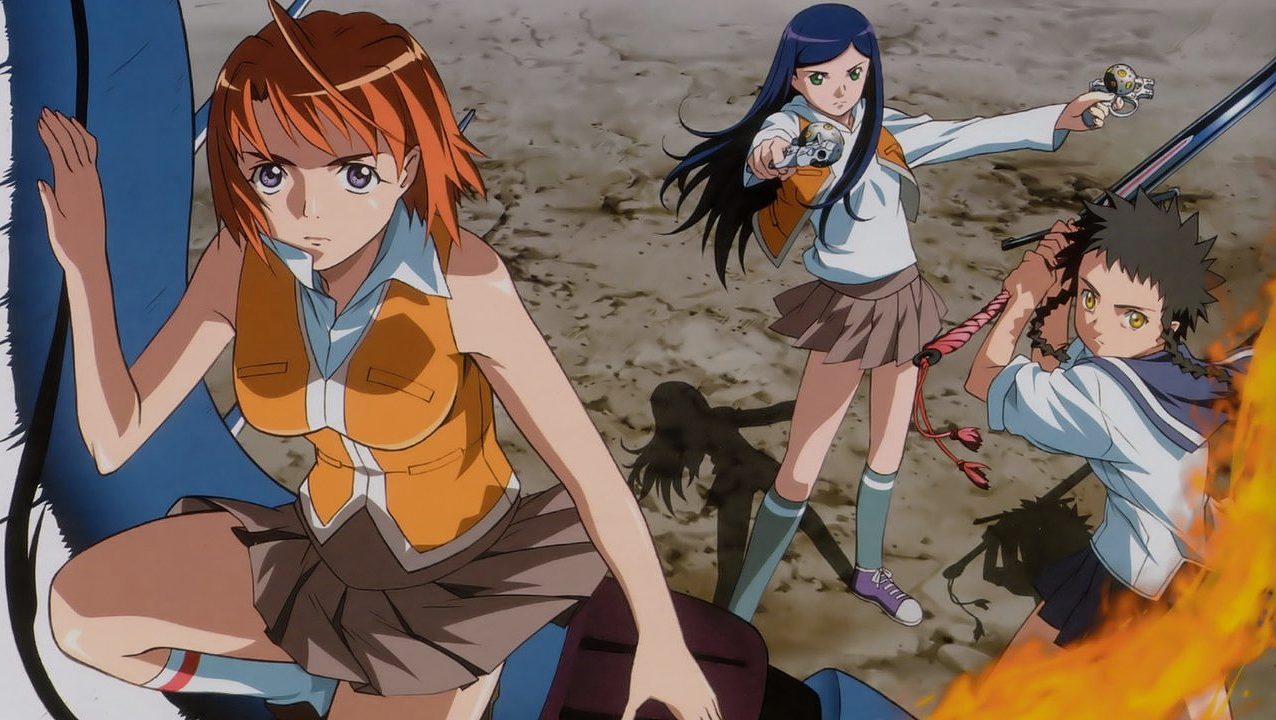
The story begins when Mai Tokiha, a female student with the special ability to control fire, transfers to Fuuka Academy. There, she meets other students with supernatural powers. Soon, they are drawn into a secret war between creatures called 'Orphans' and a mysterious organization seeking to control their powers.
However, the key turning point is when the twelve girls called 'HiME' are revealed to actually have to fight each other to become the Princess of the Stars. Every battle has a strict rule: if a HiME loses, the thing she loves most in the world will instantly disappear. This condition makes every fight full of tension and drama, as viewers see each character choose whether to protect their important person or let the world face disaster.
Performance and Characters
Although it's an animated work, the voice acting of the lead cast conveys emotions excellently. Mai Nakahara as Mai portrays both strength and vulnerability within the character realistically. Meanwhile, Saeko Chiba voices Natsuki with layers of coldness and hidden pain. Ai Shimizu as Mikoto is both cute and pitiful at the same time.
Every character has a clear background and motivation, allowing viewers to understand their actions, even in moments of cruel choices. Mai's character development from an ordinary girl to a leader bearing everyone's fate is one of the series' strengths.
Direction, Visuals, and Music
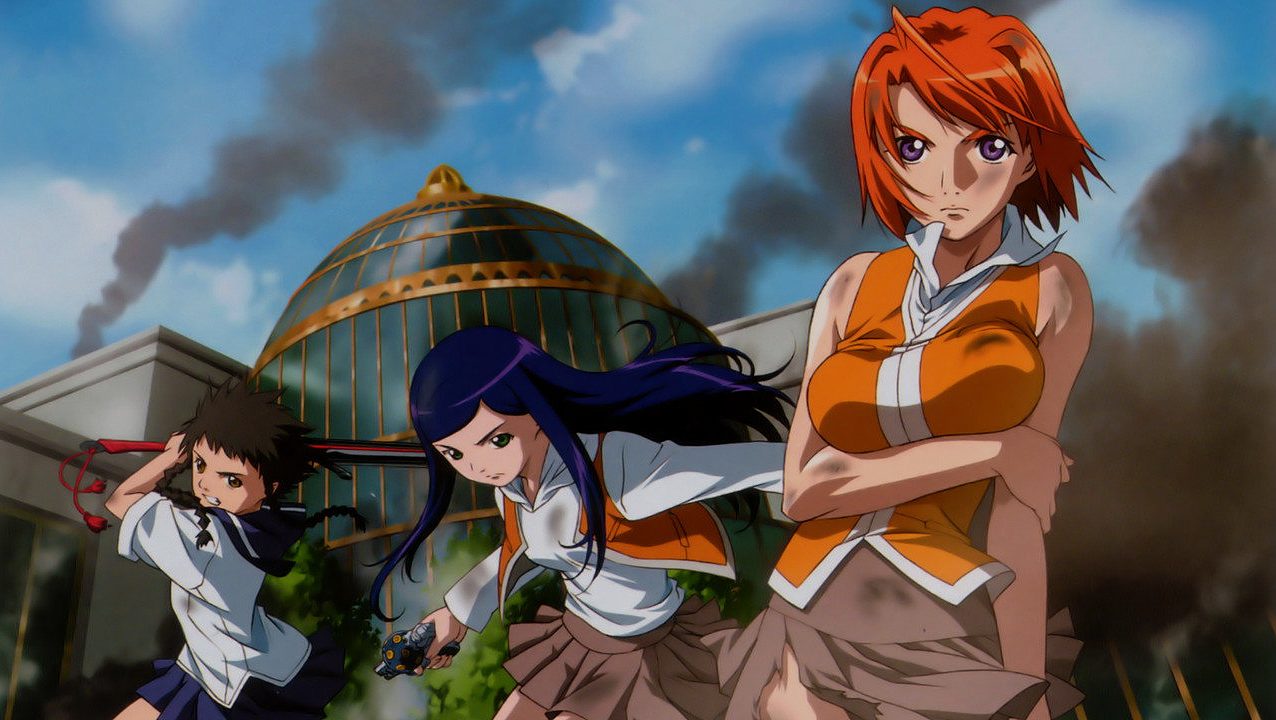
Director Koichi Mashimo (from Mai-Otome and My-HiME) handles the complex narrative perfectly, from gradually revealing mysteries to seamlessly shifting the atmosphere from a normal school to tragedy. The animation by Studio Sunrise in 2004 still looks good with distinctive character designs and fluid battle scenes.
The soundtrack by Yoshihisa Hirano and Kimiko Ikeo effectively elevates the emotions, especially the opening song 'Shining☆Days' and the heartfelt ending 'Whistle', which remain memorable to viewers today.
Editorial Analysis
Mai-HiME is not just a story about girls with magical powers fighting; it is a reflection of human nature willing to sacrifice everything for loved ones. The series asks, 'Is it right to protect what you love by hurting others?'—an issue that remains relevant even after nearly two decades.
Another highlight is the complex and realistic relationships between characters. Friendships that turn into enmity, sweet love that becomes pain—every character has their own reasons, making it hard for viewers to judge right or wrong. The design of the 'HiME rule', where the most beloved thing becomes the stake, creates tension throughout and makes the ending more meaningful.
Verdict
If you are a fan of action anime with intense drama and not afraid of tears, <strong>Mai-HiME</strong> is a work you should not miss. Even after nearly 20 years, its themes and storytelling quality remain powerful and memorable.
Screenshots

👍 Pros
- +Unique world-building and battle system
- +Characters with depth and realistic development
- +Beautiful soundtrack and opening/ending songs that fit the story
- +Intense plot with thought-provoking themes
👎 Cons
- −Some episodes in the middle may feel drawn out
- −Animation in some scenes looks dated
Top Cast





FAQ
The series has one season with 26 episodes.
The story has some twists and the HiME system rules that need understanding at first, but if you keep watching, it becomes clearer and more enjoyable.
Yes, there is a sequel titled Mai-Otome (2005), which is set in a different universe but has some connections to this series.
The series contains violent and dramatic content that may not be suitable for young children. It is recommended for teenagers and above.